GENOMICS STUDY
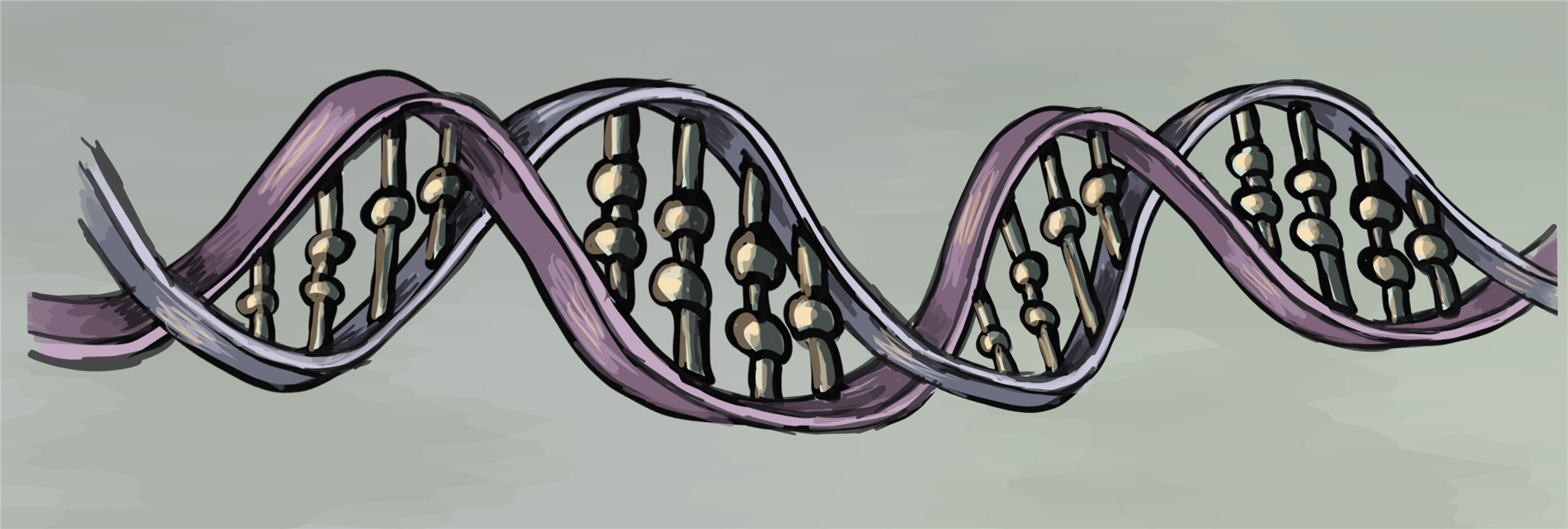
Banner Art: DNA strand bridged by abacus, symbolizing the extensive collaboration between biologists and computer scientists in shaping the genomics revolution.
Credit: Prof. Ergun Akleman, Texas A&M Visualization Department. Crafted specifically for Petersen et al., Science Advances 2018;4:eaat4211.
Cross-Disciplinary Work Key Factor in Genomics Revolution Research Finds
How and Why Gene Hunting Changed the Culture of Science
HOUSTON, August 2018 – Years after the end of the Human Genome Project, which mapped the human genetic blueprint, the ramifications to science and its culture are still unfolding.
Ioannis Pavlidis, Eckhard Pfeiffer Professor of Computational Physiology at the University of Houston, Alexander Petersen, Professor of Management at UC Merced, and their colleagues reported in Science Advances that Human Genome Project scientists not only laid the groundwork for scientific breakthroughs for decades to come, but also helped bring into the mainstream a collaboration model that changed science’s cultural norms.
“One of the key factors of the success was the way it incorporated cross collaboration between biologists, computer scientists and other disciplines,” said Pavlidis. “Research was organized around a new model, the consortium model, where scientists from different fields and in different localities worked for years towards a common goal.”
Since Galileo first peered into a telescope and DaVinci sketched out human anatomy, the business of science had often been associated with independent endeavors. Systematic team efforts were transient exceptions. For centuries the image of the loner scientist was not updated, nor did it need to be — until recently.
Pavlidis and Petersen report that after the sequencing of the human genome was completed in 2003, the consortium model did not go away, and scientists never returned fully to their silos. In a clear departure from previous norms, new and established researchers from biology, computing, and other disciplines kept building consortia, unlocking the genetic secrets of fauna and flora, and transforming our ability to understand, predict, and edit life.
“In an era where science has been professionalized, one cannot fully appreciate the reasons for genomics’ success unless one looks at the effect it had on the researchers’ careers,” said Petersen.
To investigate this, the authors assembled a dataset that included biographic and funding information for more than 4,000 faculty in 155 biology and computing departments in the United States, including information for their 400,000+ publications co-authored with a network of nearly 500,000 collaborators.
Using big data and counterfactual modeling, the team demonstrated that biology and computing researchers who crossed disciplinary boundaries by collaborating with each other on genomics had more successful careers than their mono-disciplinary colleagues.
“Their cross-disciplinary publications had superior impact and the same patterns were found to be true at the international literature level,” said Petersen. Specifically, genomic articles with mixed authorship from biology and computing, or genomic articles with mixed biology and computing content, had significantly stronger impact compared to alternatives.
Petersen and Pavlidis believe that as cross-disciplinary work continues, scientific advancements will follow suit. “If we continue to do this and have well-timed and well-designed funding efforts, as the Human Genome Project had, then I think we can put scientific progress on steroids,” said Pavlidis.
Animated Story
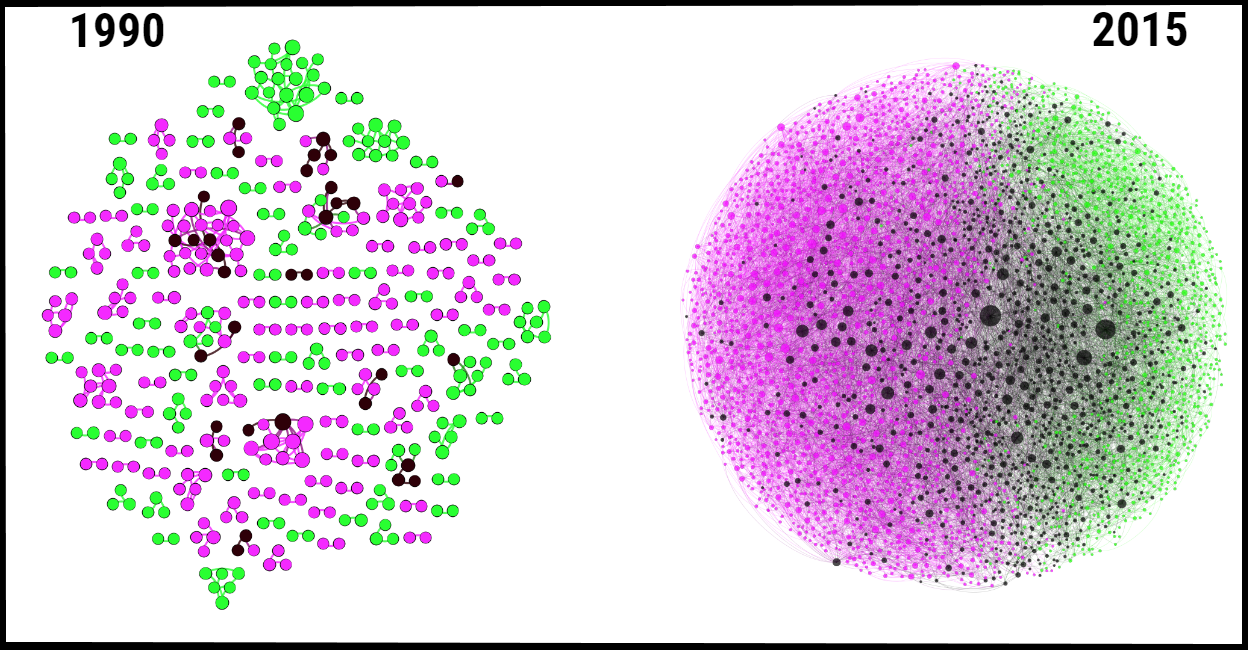
Figure 1: Cross-disciplinarity key factor in genomics revolution
Evolution of the collaboration network in the biology-computing college in the United States from 1990, the pre-Human Genome Project era, to 2015. Links represent co-authorship relationships. Green nodes denote biology faculty, magenta nodes denote computing faculty, and black nodes denote faculty from either discipline involved in cross-disciplinary genomics work. The size of the nodes suggests the centrality of the faculty in the network.
1990: Collaboration among faculty in the biology-computing college in the United States was characterized by a few small groups working in isolation.
2015: The biology-computing college had grown into a massive interconnected network, where genomics faculty constituted a prominent part.
Credit: Figure generated by the network model reported by Petersen et al., Science Advances 2018;4:eaat4211.
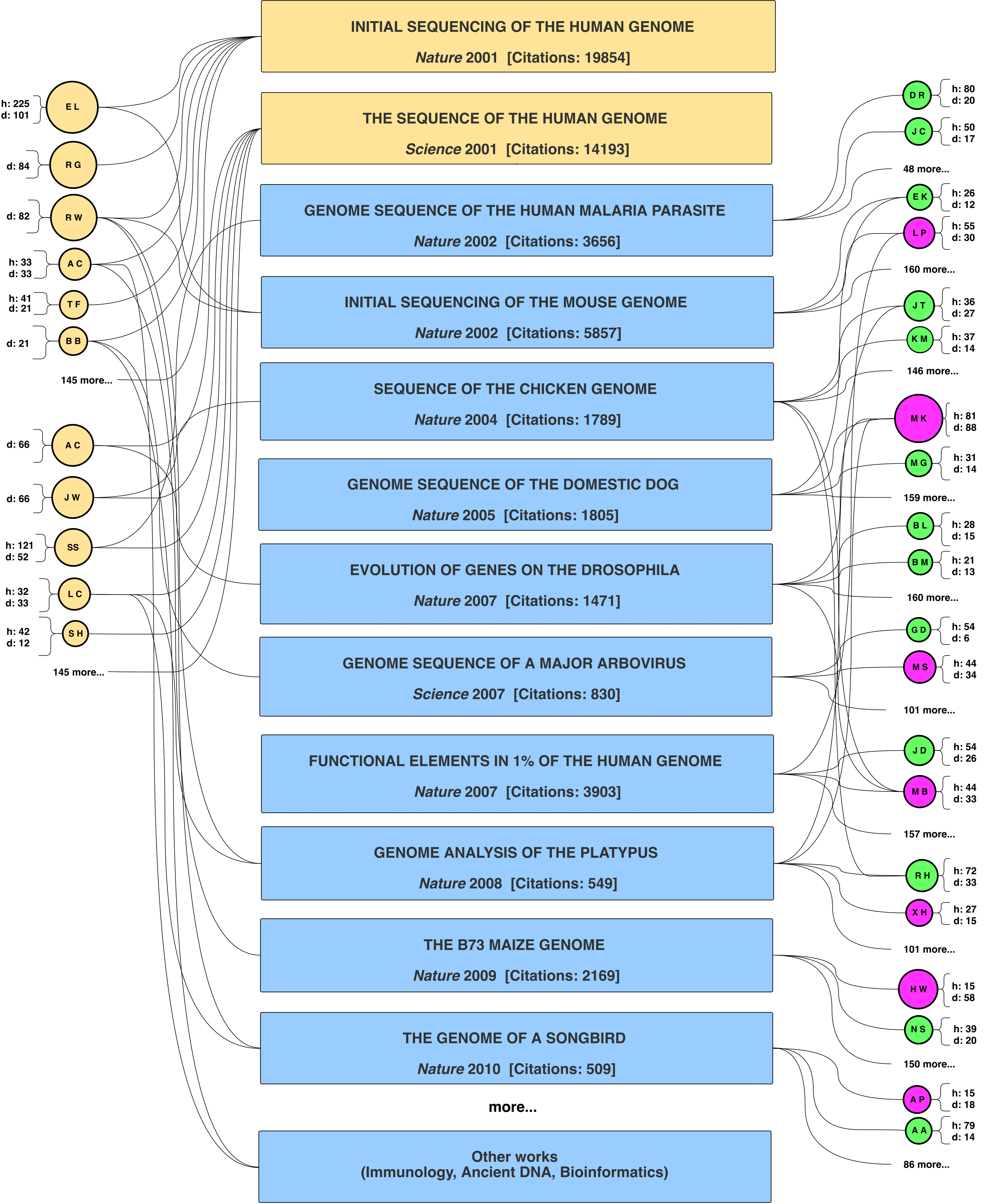
Figure 2: Evolution of the Genomics Revolution
Consortium-level collaborations of Human Genome Project scholars with faculty in biology and computing departments during the 2000s, and some of the key publications they produced, helped power the genomics revolution. The scholar nodes bear name initials. On the left panels, one can recognize well-known HGP scholars such as Eric Lander and Bruce Birren.
The label “d” stands for the network degree of a scholar and is commensurate with the size of the node. The label “h” stands for the h-index of a scholar.
Green nodes denote faculty affiliated with biology departments, while magenta nodes denote faculty affiliated with computing departments.
Credit: Figure generated by the panel model reported by Petersen et al., Science Advances 2018;4:eaat4211.
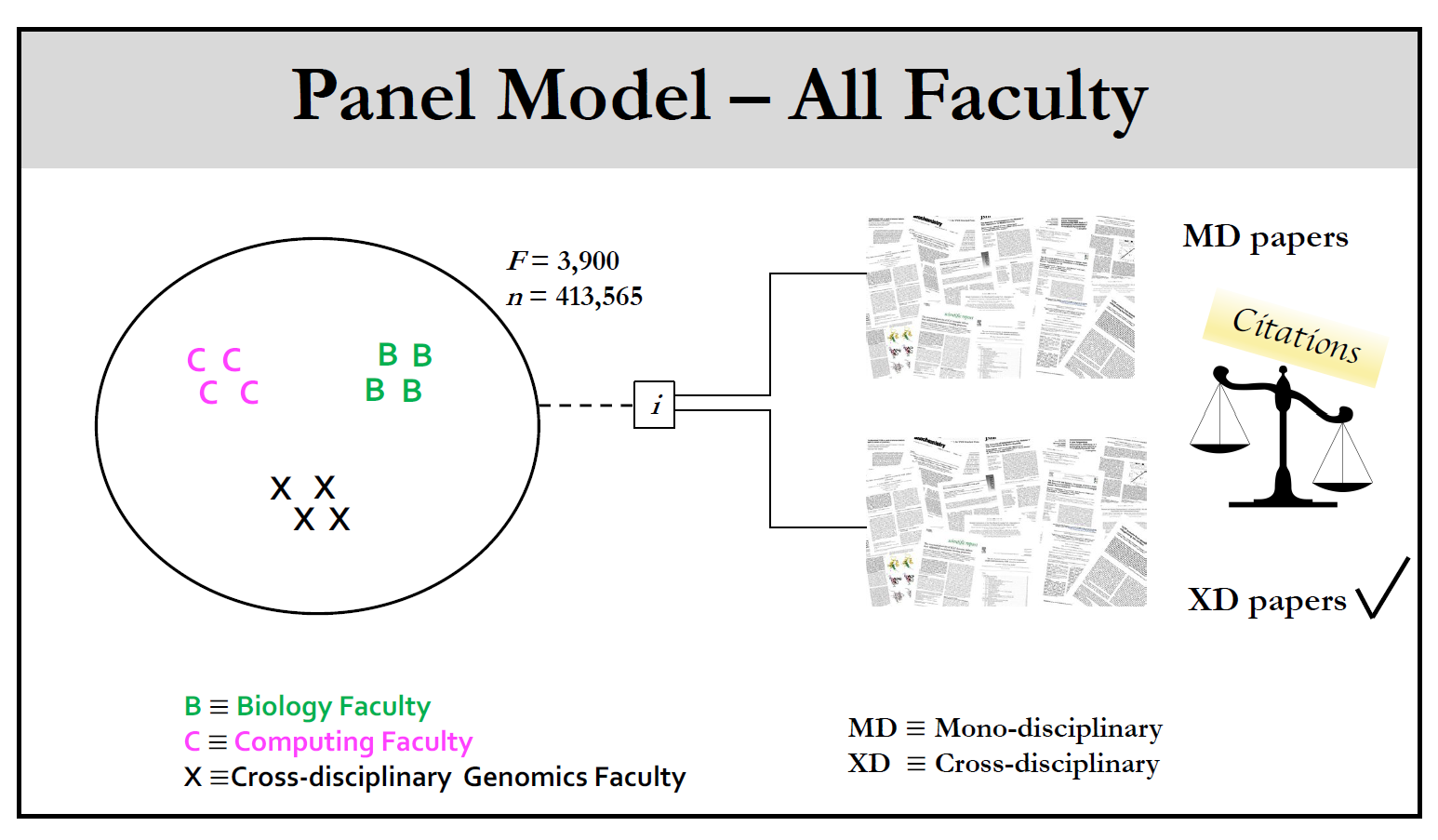
Figure 3: Panel analysis of scientific impact
On average, cross-disciplinary faculty in genomics had more impactful careers than their mono-disciplinary colleagues in biology and computing departments in the United States. Career impact was measured in citations. The source of this higher impact was traced to the cross-disciplinary portion of their publication portfolio.
Credit: Figure generated by the panel model reported by Petersen et al., Science Advances 2018;4:eaat4211.
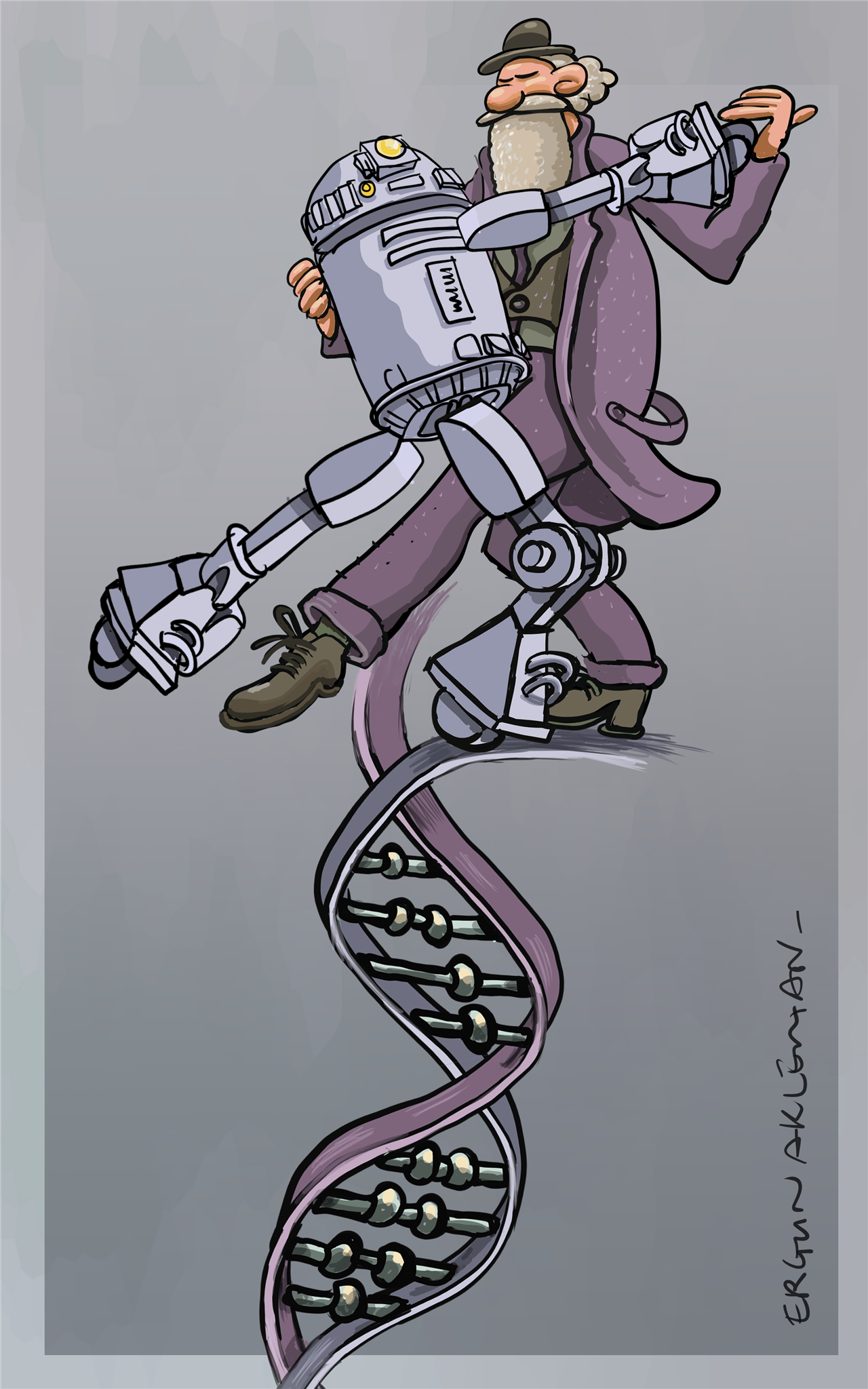
Cartoon Art: Biologists working in tune with computer scientists propelled the genomics revolution.
Credit: Prof. Ergun Akleman, Texas A&M Visualization Department. Crafted specifically for Petersen et al., Science Advances 2018;4:eaat4211.
Funding: This research was supported by the National Science Foundation through grant 1738163, entitled “From Genomics to Brain Science.”
Investigators: Ioannis Pavlidis and Alexander M. Petersen
Research Assistants: Dinesh Majeti and Mohammed Emtiaz Ahmed
Institutions: Affective and Data Computing Laboratory, University of Houston; Ernst and Julio Gallo Management Program, University of California, Merced
Paper: Petersen et al., Science Advances 2018;4:eaat4211
Data: OSF dataset